
Pure Strength · Faith + Fitness · 724,000+ on YouTube
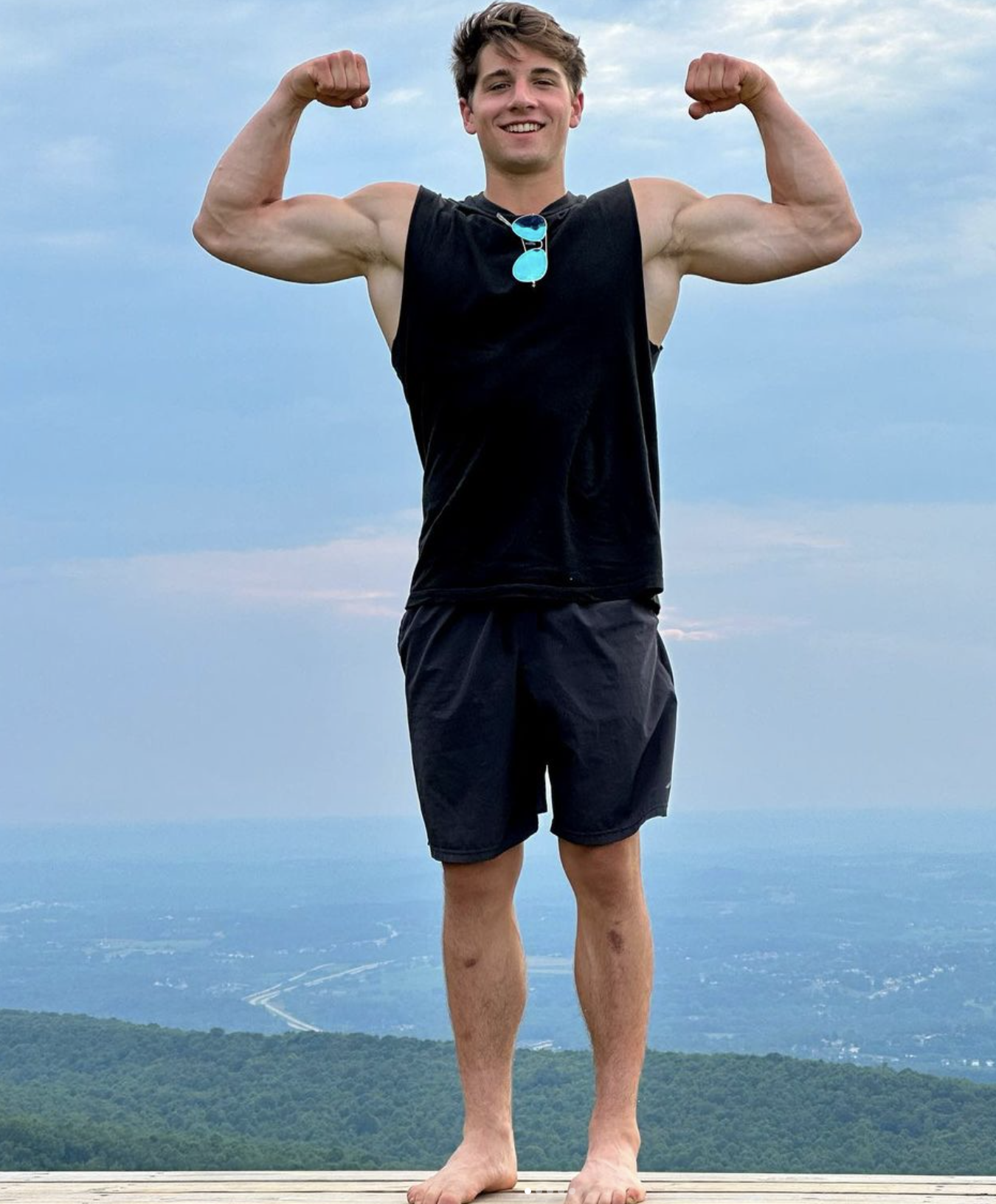
Carson TeagardenCalisthenics & fitness coach for busy men, 35–70
STRENGTH. DISCIPLINE. FREEDOM.
Get your body back in three hours a week — no gym, no equipment, from wherever your calendar has you. Built on discipline, rooted in faith.


Handstand · Las Vegas Strip · Photo: Dennis Yu
Pure Strength · Faith + Fitness · 724,000+ on YouTube
Get your body back in three hours a week.
Carson Teagarden coaches busy men — executives, founders, fathers — back into the shape their calendar doesn’t think they have time for. No gym. No equipment. Built on discipline, rooted in faith.
Three ways in.
For busy executives
I was the strongest person in every room — except the one with the mirror.
If that’s the part of your life you’ve been outsourcing, Carson coaches executives and founders who are done waiting until next quarter. Three hours a week. From your hotel room, your home office, your boat — wherever you already are.
For brand partners
A creator who operates like an agency.
Carson isn’t a solo influencer. Pure Strength runs like a brand-safe content operation — scripted, on-time, on-message. Long-form YouTube, TikTok, IG, podcast, newsletter, and LinkedIn — built around the value your product actually delivers.
For the crew
Workouts. Faith. No shortcuts.
If you’ve been following along on YouTube or TikTok, this is the home base. Every workout, every protocol, every honest answer — organized in one place you control.
The story — the one Dennis Yu tells
From obese to back in the fight — in his own words.
Dennis Yu posted this on his YouTube and Facebook the day before we launched this page. Four minutes. His weight, his discipline, his faith, his coach. If you’re a 60-year-old telling yourself it’s too late — watch this first, then come back.
As featured in
“I live by anything that is in the Bible.”
— Carson Teagarden, Digital Journal
The method — not a personality, a system.
Three hours a week
Designed for men whose calendar will not bend. Work-from-home, work-from-hotel, or a 20-minute window between meetings. The protocol moves where you move.
No equipment. No excuses.
Carson built his own calisthenics practice with nothing but his body. The program runs on that same principle — progressions, not purchases.
Faith as the anchor
Accountability stops working when willpower runs out. Discipline rooted in scripture doesn’t. Carson coaches from that place, whether you share the faith or not.
Built by a team, not a solo act
Pure Strength is backed by the BlitzMetrics agency operation led by Dennis Yu — so when you hire Carson you get a coach with an operator behind him, not a one-man inbox.
Results
Real men. Real numbers. Real timelines.
Dennis Yu
Founder, BlitzMetrics
Obese to back-in-the-fight. Four-minute video tells it straight.
Your name could be next
Founders & executives — limited 1-on-1 spots
The next case-study slot is open: three hours a week, eight weeks, documented results. Apply and let’s write it together.
The Pure Strength System
Self-paced program
Carson’s complete protocol — progressions, faith-anchored discipline, no equipment required. Start self-paced, upgrade to coaching when you’re ready
Latest from the channel
A rotating look at what I am putting out right now across YouTube and Shorts — pick one and watch before you decide if I am your kind of coach.