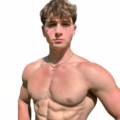
People · Conversations · Shared work
The people and published conversations behind Carson Teagarden’s work: George Leith, Dennis Yu, Markos Papadatos, and Tom Victoria, with original interviews, practical lessons, and real photographs.
A workout clip shows a movement. A longer conversation reveals the person doing it: why I started, how I teach, and what I am still learning. These are the people who have helped bring that story into focus.
Meet George Leith, Dennis Yu, Markos Papadatos, and Tom Victoria. Follow our podcast conversations, website work, and interviews, from early calisthenics practice to a conversation in Central Park and a recording overlooking Las Vegas.
George Leith: making fitness a conversation for busy professionals
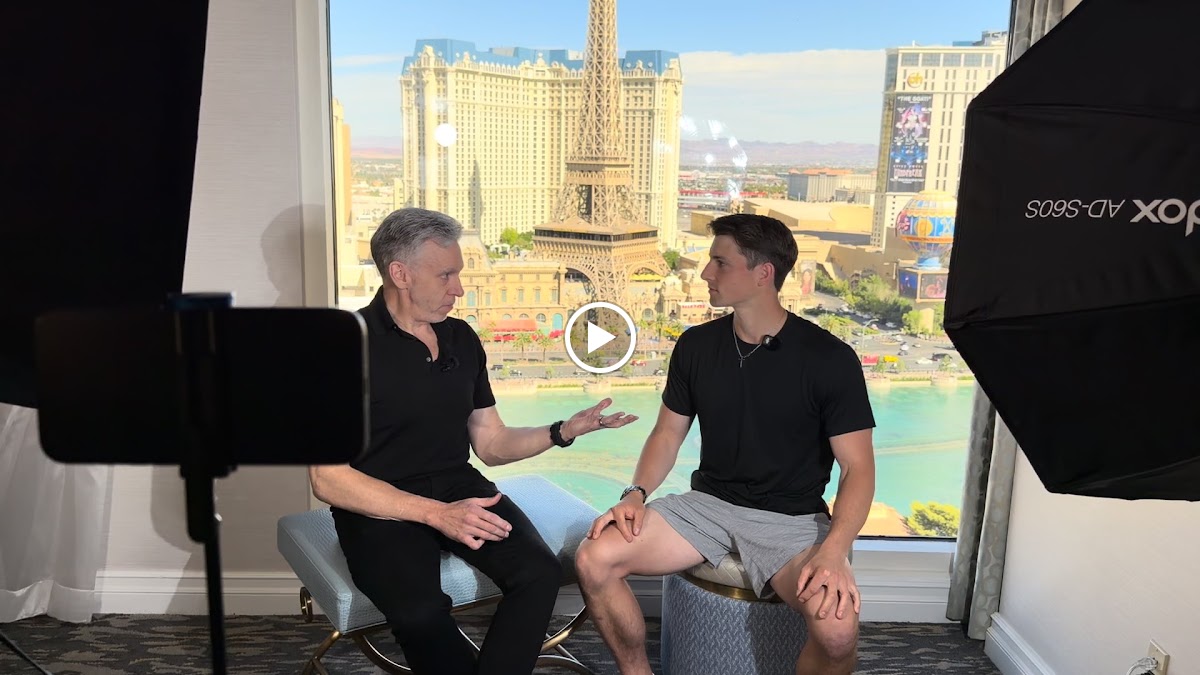
George Leith hosted me on episode 002 of Evolved Pros. His episode page identifies the conversation as a discussion of bodyweight training, food habits that fit a working calendar, and the connection between professional life and personal health. It is a useful starting point for someone who has seen a short exercise clip and wants the longer explanation.
Two or Three Goals. Not Fifty. | Carson Teagarden
Evolved Pros Podcast — George Leith · Original recording.
Jump into the conversation: 5:00 Two or three goals · 14:30 Role models and accountability · 19:00 Training at home · 23:00 Sharing the journey publicly
The full YouTube conversation is titled Two or Three Goals. Not Fifty. | Carson Teagarden. It runs about 27 minutes. Its chapter guide offers several entry points: goals at 5:00, role models and accountability at 14:30, training at home at 19:00, and sharing the journey publicly at 23:00. George’s episode archive lists it as May 12, 2026.
The teaching opportunity here is translation: an impressive movement attracts attention, but the next question is what an ordinary person can understand and use. Listen for how the conversation connects a fitness subject to the realities of a busy schedule. The chapter about accountability is also a reminder that explaining a goal to someone else is a different task from setting it privately.
Dennis Yu: giving real work a home beyond a social feed
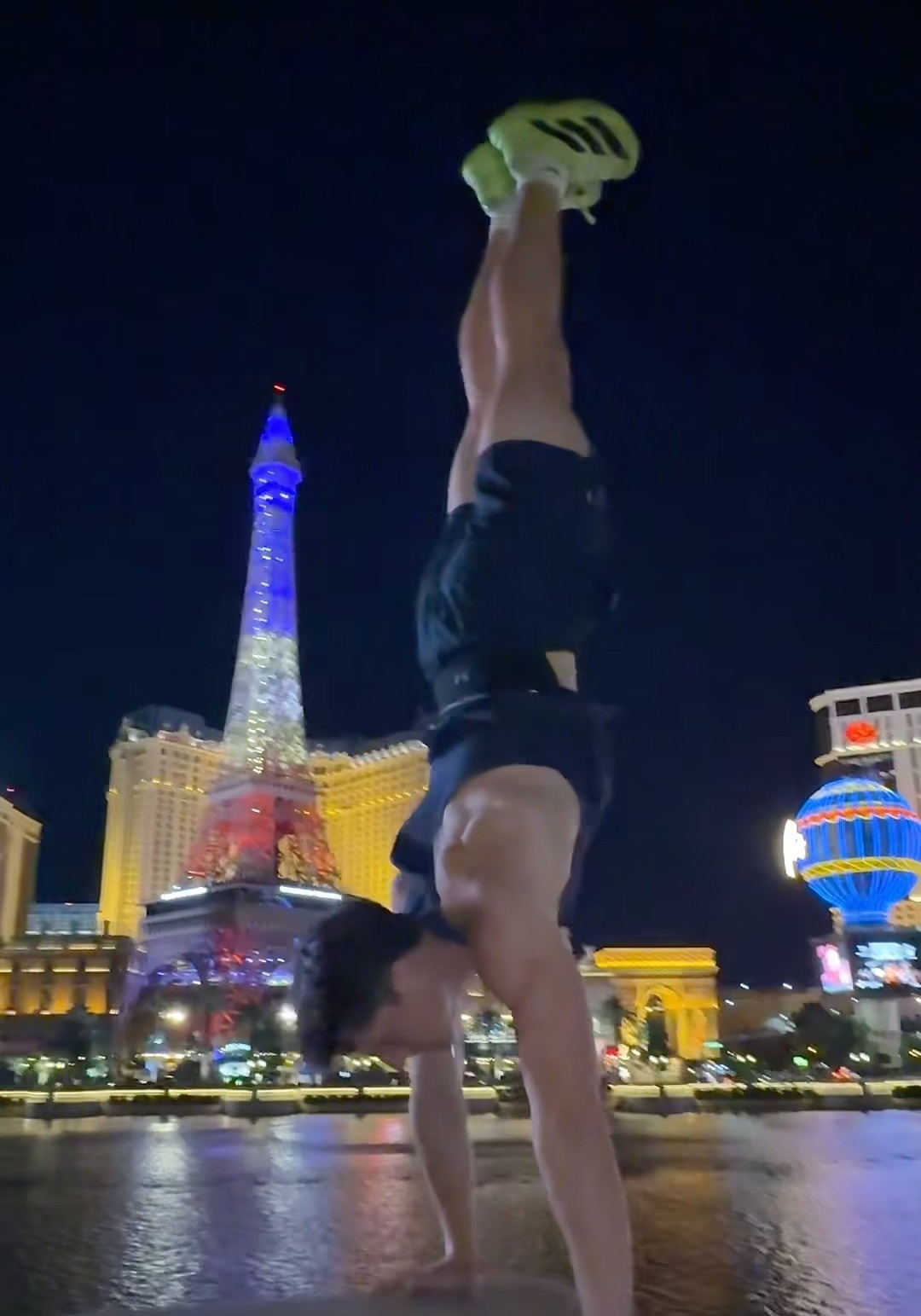
Dennis Yu documented his work on my website in a June 2026 build article. One concrete detail runs through that story: the Las Vegas handstand photograph he took became a more meaningful foundation than a generic fitness image. It shows an actual person doing the work the website describes.
His article also explains the relationship between a creator’s social content and an owned website. A photograph, an interview, a coaching explanation, and a press article answer different questions. Bringing them together makes it easier for a visitor to understand the work without having to reconstruct it from several platforms.
The practical lesson is to retain the context around a piece of content: who made it, what happened, and where the fuller story lives. Dennis’s build account describes our website collaboration, while the photo library preserves the stills. Together, they show how a single real moment can help explain a much larger body of work.
Markos Papadatos: returning to the story as it develops
Markos Papadatos interviewed me for Digital Journal in November 2022 and again in August 2025. Reading those conversations together gives the story room to develop: the early plans, the practice of making content, and the work of coaching an audience online.
In the 2025 interview, we spoke in Central Park in New York City. The discussion moved beyond workout demonstrations to online coaching, creating content, and the support of an audience. We also discussed AI as a tool whose suggestions still require judgment. Markos’s photograph places that conversation in a real setting, rather than leaving it as an abstract list of talking points.
For a creator, a follow-up interview can be more revealing than another introduction. Compare what the interviewer asks, what has become more concrete, and what remains a goal. Markos’s articles offer that comparison without requiring a new biography on every page.
Tom Victoria: the questions that turn a demonstration into teaching
Tom Victoria wrote the GRID News profile of my early calisthenics work in southwestern Pennsylvania. The story follows the practice behind the movements and the questions that made me want to teach. GRID lists his byline as Thomas Victoria.
One useful part of the profile is its account of how questions followed the demonstrations. Other students wanted tips, and my parents encouraged me to share the workouts. The article also describes explaining simpler starting movements rather than asking a beginner to copy the hardest skill on screen.
That is the difference between showing an ability and teaching: a learner needs an understandable entry point. Tom’s profile gives attention to both the movement and the questions it prompted. Read it for the early teaching examples and the way an interest in practicing became an interest in helping someone else understand.
The early interview: confidence on camera is something to practice
In the November 27, 2022 Digital Journal interview, I talked about being nervous when I first began making YouTube videos. I also described enjoying the combination of a familiar game, Flappy Bird, with push-ups and pull-ups. The article preserves those explanations in my own answers, alongside my plans at the time.
That makes the interview useful for another young creator. The visible result is a finished clip; the less visible work is becoming comfortable explaining an idea on camera. A repeatable format can give someone a reason to practice, while the exercise or subject gives the audience something concrete to follow.
The 2022 interview also preserves the ambitions of that stage: further learning, more workout programs, and the possibility of developing a clothing brand. Keeping an early conversation available lets a reader see the starting point. The later interviews then have something meaningful to build on: an evolving person whose later chapters grow from the same story.
How to explore the collection
Start with the Evolved Pros interview if you prefer a conversation. Use the two Digital Journal articles if you want to compare the early ambitions with a later interview. The GRID profile adds a view of the transition from practicing a skill to explaining it to other people. Dennis’s build article shows how those pieces can be organized into a website.
The rest of this site has different jobs. About is the concise introduction. Coaching explains the offer. Gallery holds video and social material. Photos contains still images. Press points to coverage. Keeping those routes distinct helps a visitor choose the next useful step without reading the same biography repeatedly.
Pick the conversation that matches your curiosity. Watch the goals discussion, compare the two Digital Journal interviews, or follow the photographs back to the early calisthenics story. Each offers a different way into the work.
More moments from the work
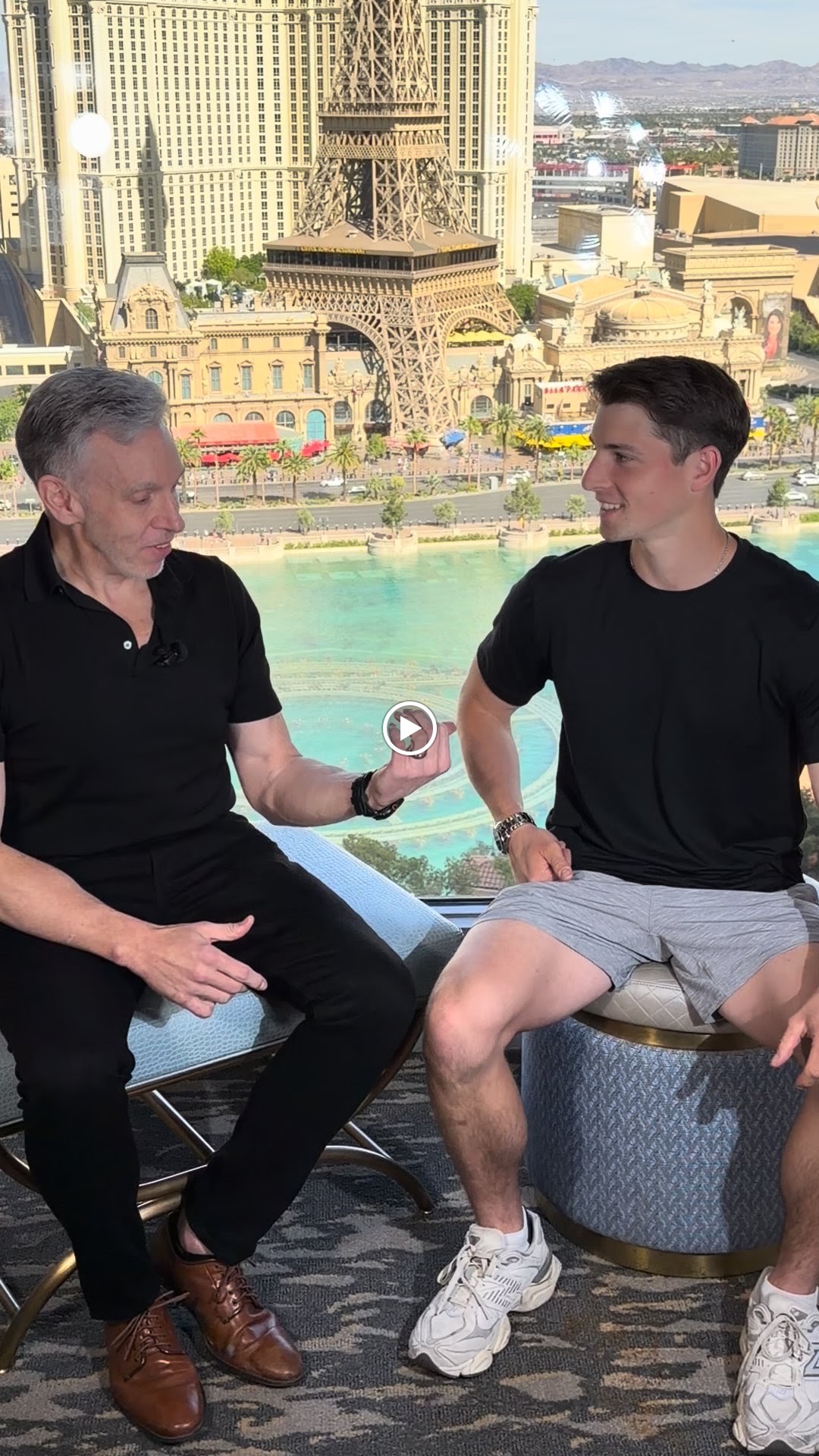
Explore the people and the ideas
Which conversation should I start with?
Start with George Leith’s Evolved Pros interview for the longer conversation about goals, accountability, and training around a busy schedule. The chapter links let you jump to the subject you want.
Where are the early interviews?
Tom Victoria’s GRID News profile follows my early calisthenics work. Markos Papadatos’s November 2022 Digital Journal interview covers making videos, fitness, faith, and the plans I was developing then.
What changed in the later Digital Journal interview?
The August 2025 conversation with Markos in Central Park explores online coaching, making content, and staying consistent. Read it alongside the 2022 interview to follow the development of the work.
Where can I learn about coaching?
Visit Coaching for the current offer and About for my background. The podcast and press interviews add the longer story behind the work.
What are the Creator Fit brand pages?
Those pages present potential sponsorship opportunities and explain how a brand could fit Carson’s audience.